EXTERIOR STRUCTURES & EQUIPMENT

Exterior buildings and outdoor living/equipment areas require tailored electrical power and lighting solutions to be safe, code-compliant, and reliable. Below is a concise guide covering what these systems are, why they matter, common problems, best practices, and when to call a professional.

Types of Exterior Structures and Equipment

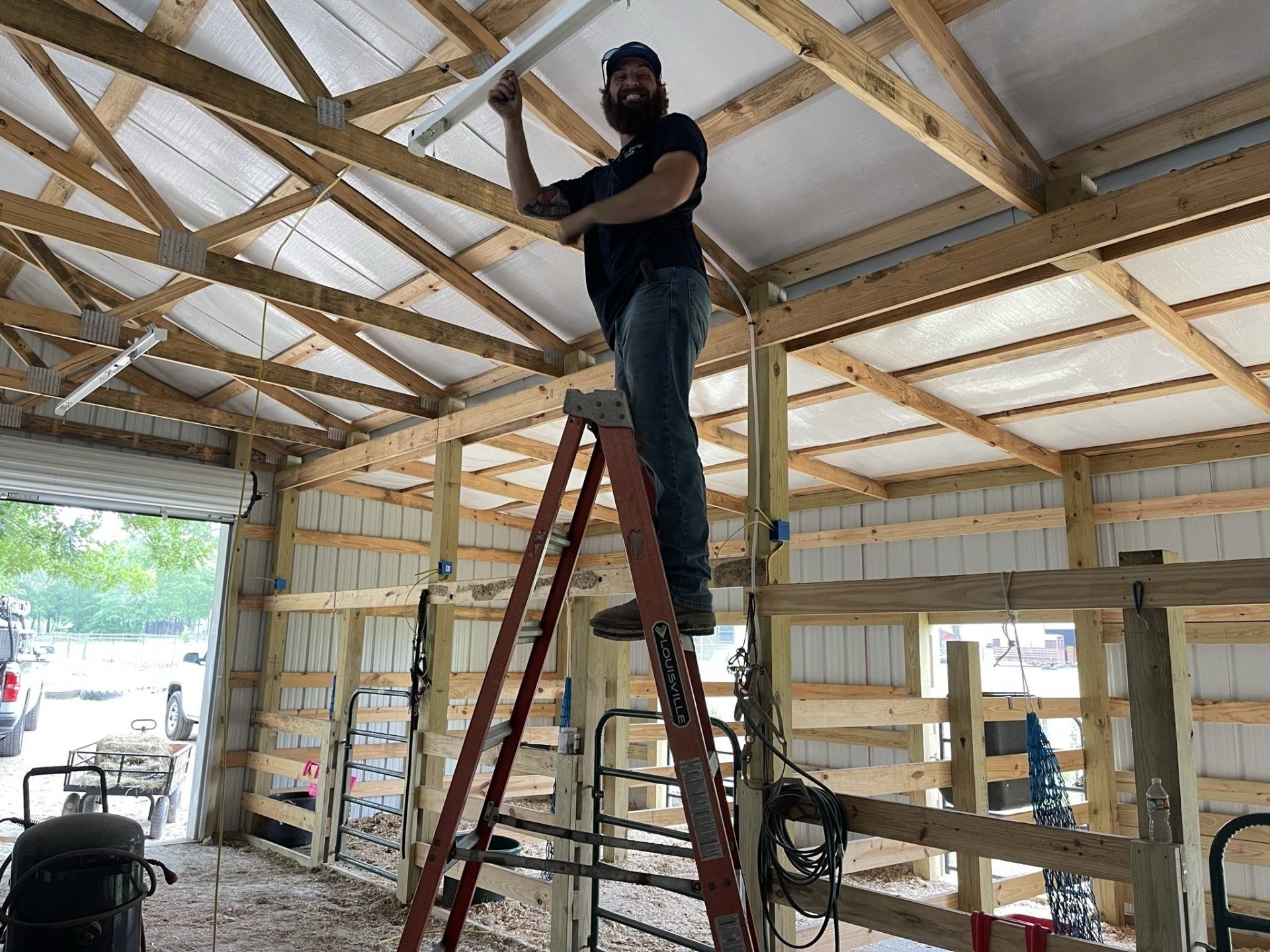
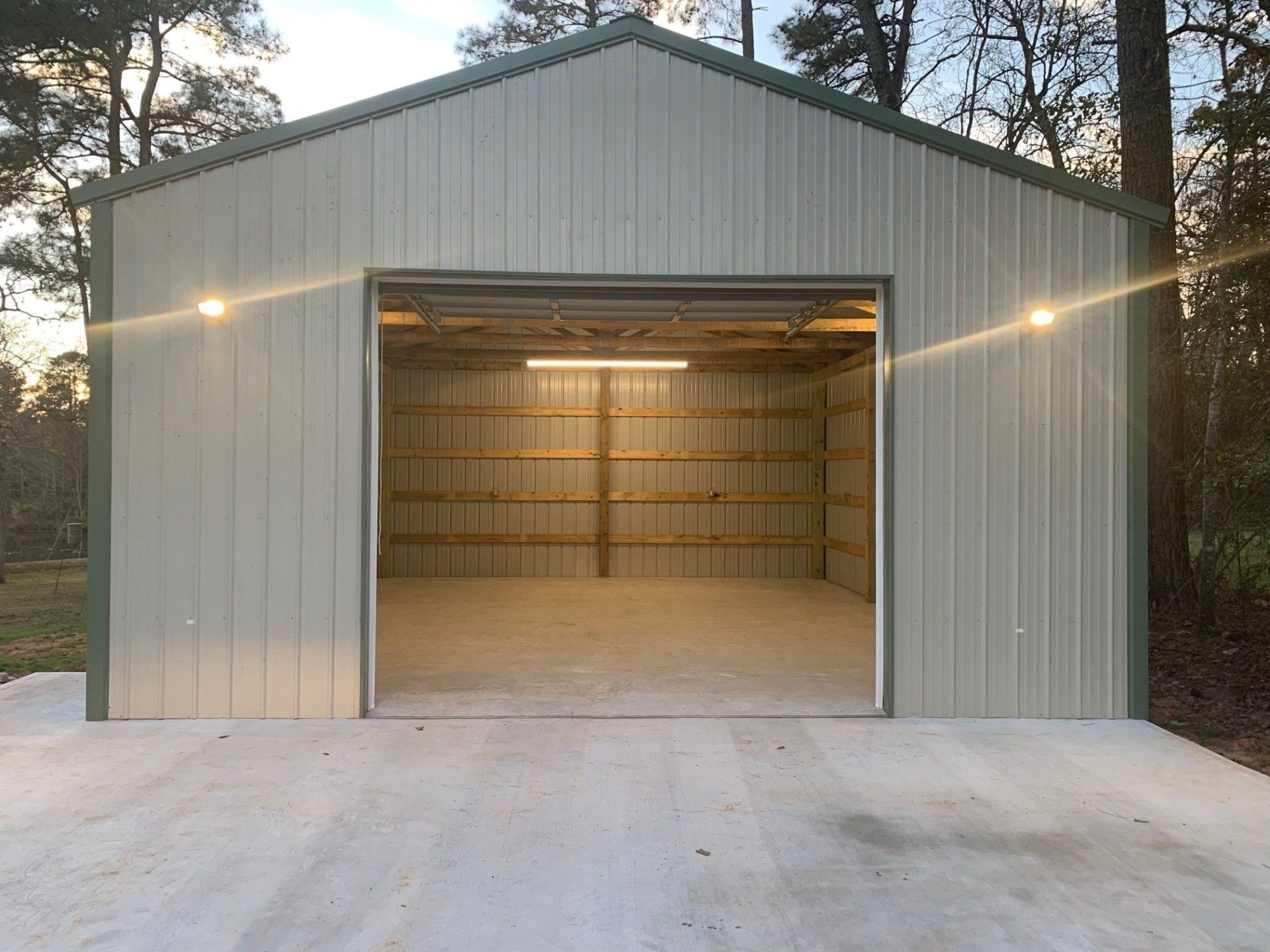
  • Outbuildings: shops, sheds, barns, pool houses, living quarters
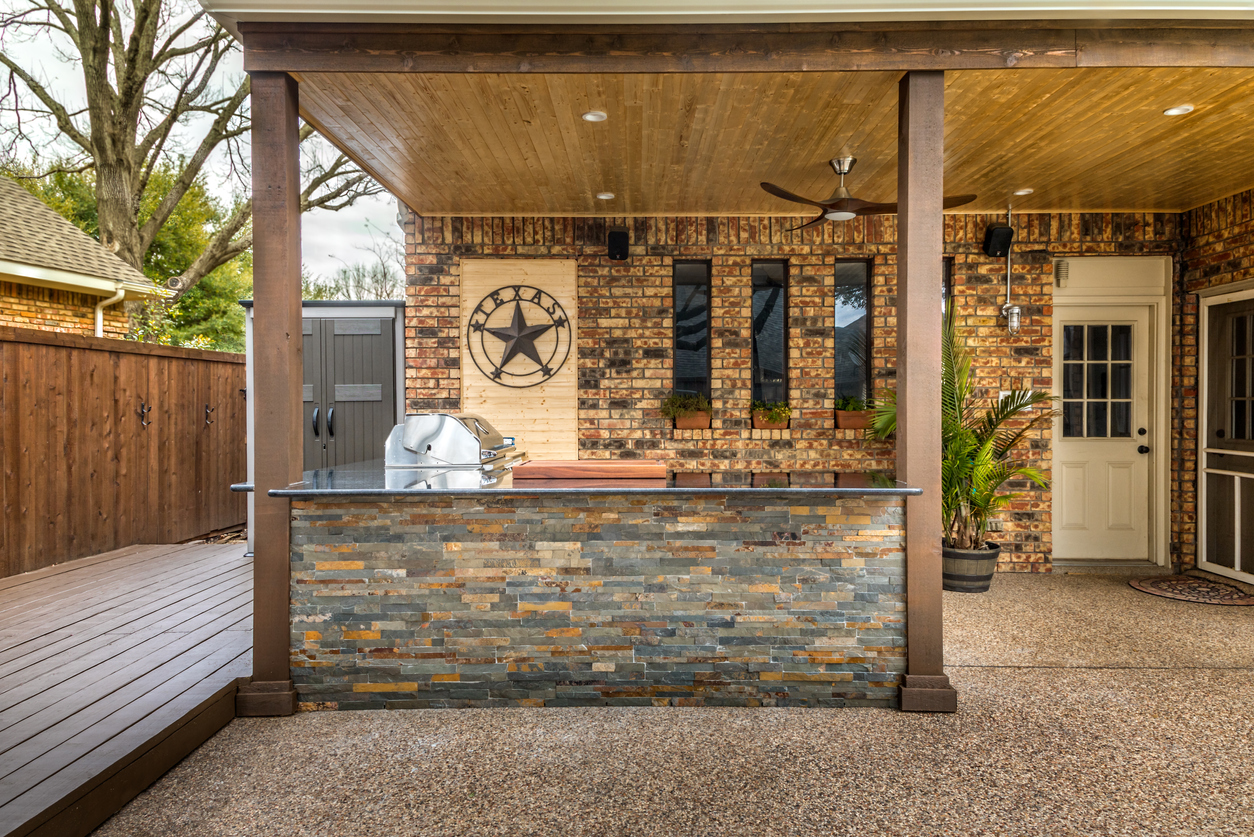
  • Outdoor living: pools, spas, patios, outdoor kitchens, entertainment areas
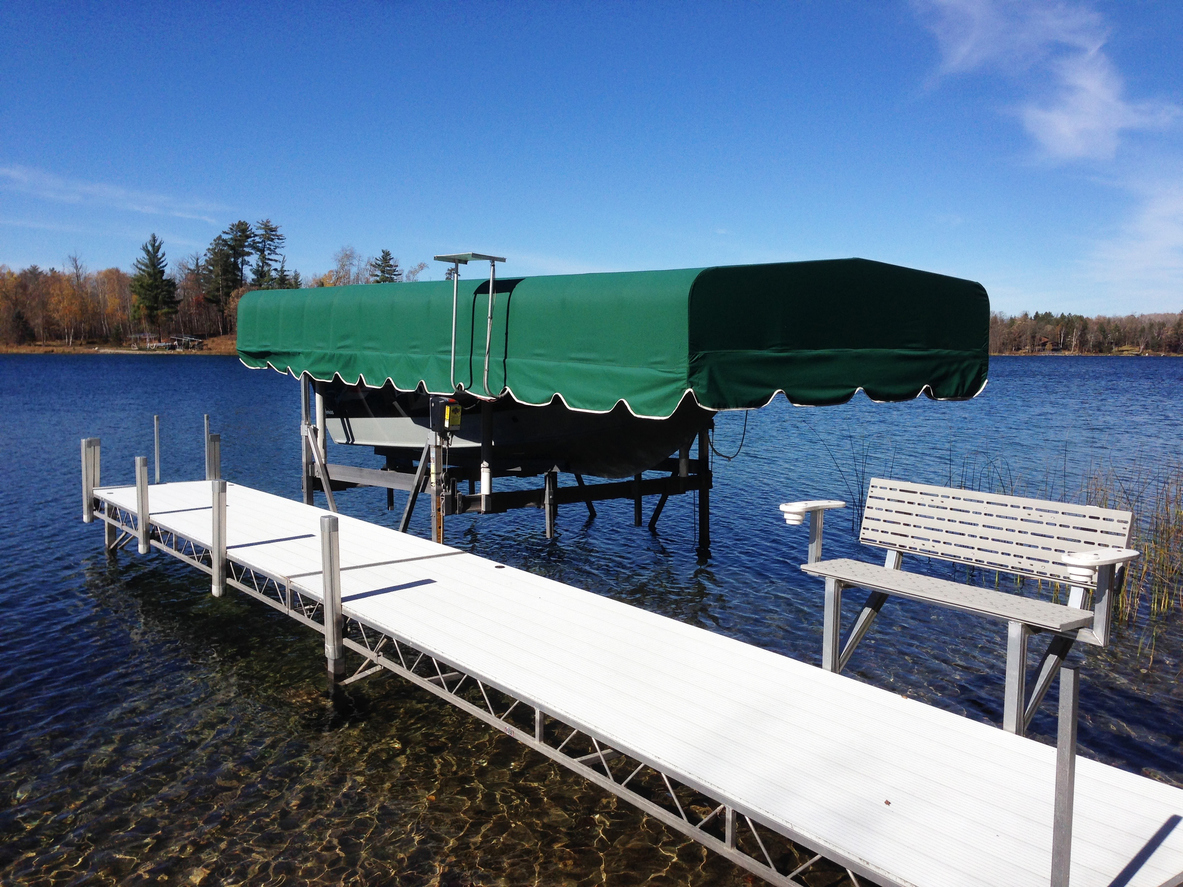
  • Waterfront: boat docks, lifts, piers
  • Equipment: irrigation systems, motorized shades, pond fountains, water features, water wells

What They Are and Why They Matter

Dedicated feeders and subpanels: Separate circuits or subpanels bring power from the main service to outbuildings and exterior areas. They simplify distribution and allow tailored protection and metering.

Importance: Proper feeders and subpanels prevent overloading, reduce voltage drop, and keep outdoor systems isolated for easier maintenance and safety.

Exterior lighting and control systems: Task, accent, security, and pathway lighting designed for wet/damp locations with timers, dimmers, motion sensors, or smart control.

Importance: Good lighting improves safety, security, usability, and ambiance.

Outdoor outlets, in-use covers, and GFCI protection: Weatherproof receptacles and covers provide safe power for equipment, tools, appliances, grills, and recreational toys.

Importance: Prevents moisture intrusion and reduces shock risk in wet locations.

Pool, spa, and dock electrical systems: Pumps, heaters, lighting, and lifts require correct circuits, bonding, and GFCI protection.

Importance: Incorrect wiring or missing bonding/GFCI is a major shock and electrocution hazard around water.

Boat lifts and dock power: Specialized equipment with corrosion-resistant wiring, disconnects, and shore-power pedestals.

Importance: Ensures reliable operation and safety in corrosive marine environments.

Outdoor kitchen and appliance circuits: Dedicated circuits for grills, refrigerators, ovens, and receptacles near cook zones.

Importance: Avoids nuisance trips and fire risk from overloaded or shared circuits.

Common issues

  • Water, corrosion and UV damage: Moisture intrusion and sun exposure degrade enclosures, connectors, and cables—common on docks, sheds and exterior fixtures.
  • Inadequate grounding and bonding: Missing or incorrect bonding at pools, spas, or metal structures increases shock risk.
  • Improper GFCI/AFCI protection or missing protection: Outdoor, pool, barn and garage circuits often lack required ground-fault protection.
  • Voltage drop and undersized feeders: Long runs to outbuildings cause dim lights, reduced motor performance, or overheating if conductors are undersized.
  • Overloaded or shared circuits: Multiple high-demand loads on one circuit cause trips and stress equipment.
  • Poorly rated fixtures or boxes used outdoors: Indoor-rated fixtures/enclosures used outside fail prematurely and invite water entry.
  • Rodent/animal and mechanical damage: Cables chewed by wildlife or damaged by equipment cause shorts and outages.
  • Corroded dock pedestals and marine hardware: Saltwater accelerates corrosion of terminals and connections.
  • Improper placement of lighting or insufficient lighting for steps and pathways.
  • Unsafe temporary wiring practices: Extension cords used as permanent wiring or devices improperly connected.

Best practices

  • Design circuits with correct conductor size and voltage-drop calculations for long runs; use subpanels near clusters of loads.
  • Install outdoor-rated, UV-resistant conduit, cable and enclosures; use marine-grade, corrosion-resistant materials at waterfronts.
  • Provide required GFCI protection for all outdoor, pool/spa, and garage circuits; use AFCI where code requires.
  • Bond metal pools, metal enclosures, and dock structures per NEC/local code; verify grounding electrode systems for outbuildings.
  • Use in-use/weatherproof receptacles and covers; place convenient outlets to avoid long extension cord use.
  • Locate panels and disconnects in accessible, protected positions; label circuits clearly.
  • Use timers, photocells, motion sensors and dimmers to control lighting efficiently and reduce energy waste.
  • Install surge protection at the service or subpanel for sensitive equipment in shops and entertainment systems.
  • Secure and elevate wiring and equipment above flood levels; follow setback and clearance requirements for docks and shore equipment.
  • Schedule routine inspections and maintenance: tighten connections, replace corroded hardware, test GFCIs, and check for animal damage.
  • For boat lifts and marine equipment, follow manufacturer guidance for shore power inlets, Cords, and regular inspection of terminals.

When to Call a Professional

  • Designing or installing feeders, subpanels, or new service to outbuildings or docks.
  • Any pool/spa electrical, bonding, or equipment installation.
  • Dock electrical work, shore-power pedestals, or marine wiring — use contractors experienced with waterfront code and corrosion control.
  • Replacing corroded meter/pedestal hardware, installing permanent generators or transfer switches, or when voltage drop/multiple trips indicate capacity problems.
  • If you smell burning, see sparking, notice warm panels/receptacles, or have repeated GFCI trips.
  • For certifications, permits and inspections required by local authority having jurisdiction. RWB is certified with SJRA to work on electrical systems above the water on Lake Conroe.

Safety reminders

  • Never use extension cords as permanent wiring; keep cords rated and in good condition.
  • Keep electrical equipment elevated and away from standing water or planned flood lines.
  • Install and test GFCI devices regularly; treat any unexplained GFCI trips seriously.
  • Use dedicated circuits for major appliances and motors; avoid multi-appliance sharing.
  • For waterfront: de-energize shore power when servicing boats, and never handle plugs or cords while standing in water.
  • Ensure outdoor lighting is exterior rated and strategically placed for best performance.
If you’re adding power or lighting to an exterior building, planning a dock installation, or seeing signs of corrosion, moisture intrusion, repeated trips, warm connections, or insufficient lighting—contact RWB for outdoor and marine installations for expert, safe and code-compliant installations. RWB is certified by the San Jacinto River Authority (SJRA) for electrical installations over the water of Lake Conroe.

TESTIMONIALS

Our Customers Say It Best

EXPERT ELECTRICAL SERVICE IN MONTGOMERY COUNTY TEXAS

Service Areas

Conroe, Texas

Magnolia, Texas

Montgomery, Texas

North Houston, Texas

Spring, Texas

Tomball, Texas

The Woodlands, Texas

Willis, Texas